Kasper Karlgren Projects
Freelance
2025 — now


Sleep technologies
2019 — 2026
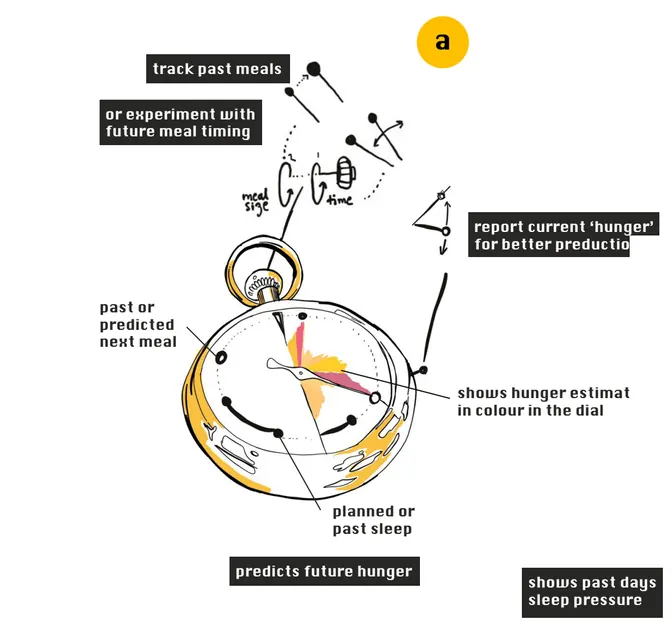
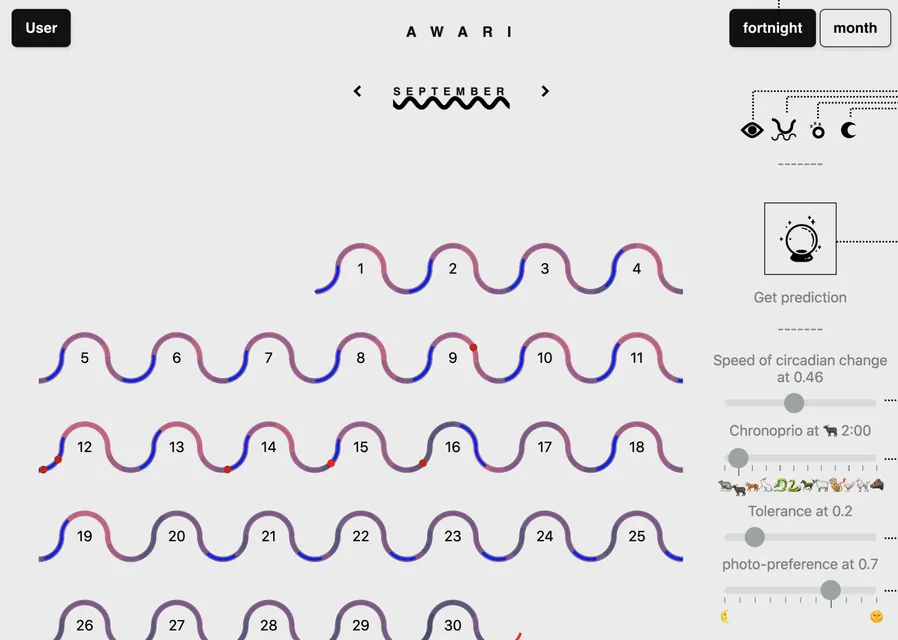
The core of my PhD at Stockholm University: how people track, plan and wake from sleep, explored through design work, a sleep-planning system and a study of alarms in everyday life.

Robot design & interaction
Robots as conversation partners, from augmented reality on a static robot in my Master's thesis to a mobile, gaze-based robot built with the University of Tokyo.
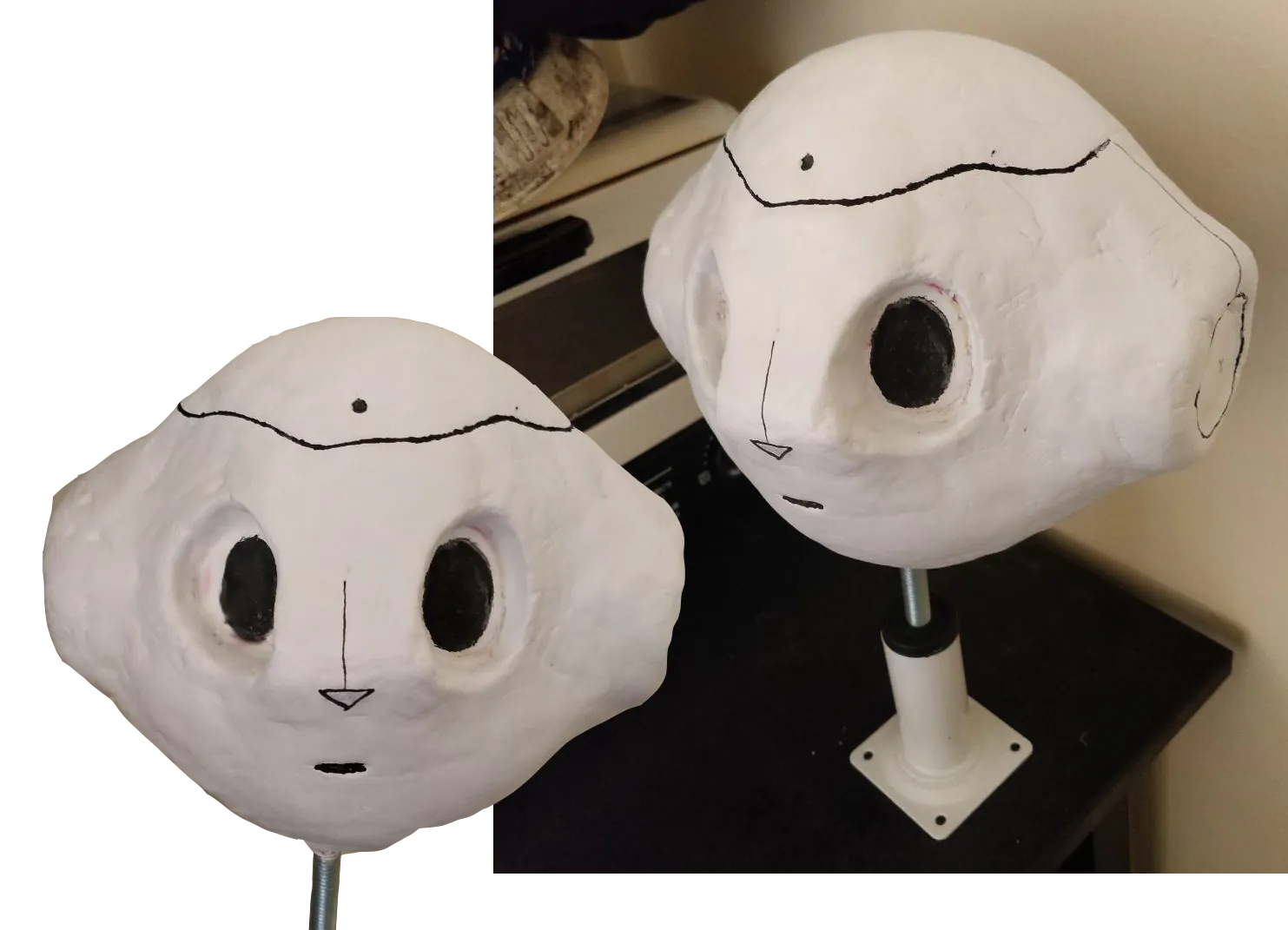
Clay Pepper [Master's thesis]
[×] CloseKeywords: Augmented Reality, HRI, Embodiment, Virtuel Agent.
This thesis studies possibilities of interacting using mobile augmented reality on a physical static robot embodiment to create an interaction that gives a sense of presence.
Technical advances has brought to us multitude of new ways of communicating with computers and software. Progression within speech technology and AI has opened up for a new industry of smart speakers, as Google home and Alexa, emotion and facial detection helps Pepper the robot to interact and has brought social robots closer to the mainstream. Due to that the tools are getting cheaper and better, virtual agent interactions are moving from research and showrooms to real situations. Voice based interactions with robots is not simply gimmicks anymore.
The benefit of having an embodiment in an agent interaction is noticeable. If the agent you are interacting with is in a shape of a robot sitting next to you, you will listen to what it says much more than if it is presented on a screen (Leyzberg, Dan, et al. 2012). But physical robots are not only expensive to make, they are expensive to build, to patch, to mod and are limited to the degrees of freedom it is build for. It can very much be the bottleneck of a project.
The lab Embodied Social Agents Lab (ESAL) and Christopher Peters is researching virtual social agents and robots. A motivation for labs like ESAL to find ways to stimulate the embodiment of a robots using cheaper is the gain of research possibilities. Not only could possible robot interactions that are not available be studied without purchasing or creating such robot, but it also opens up for ways to expand robot human interactions that are only possible using a screen.
The aim with this project is to show that a physical embodiment improves the sense of presence. But findings that show that the embodiment does not change the result in any significant way (or even worsens it) gives indications on how complex the feeling of presence is.
Leyzberg, Daniel, et al. "The physical presence of a robot tutor increases cognitive learning gains." Proceedings of the annual meeting of the cognitive science society. Vol. 34. No. 34. 2012.
Progress can be read on my blog!
Extended reality
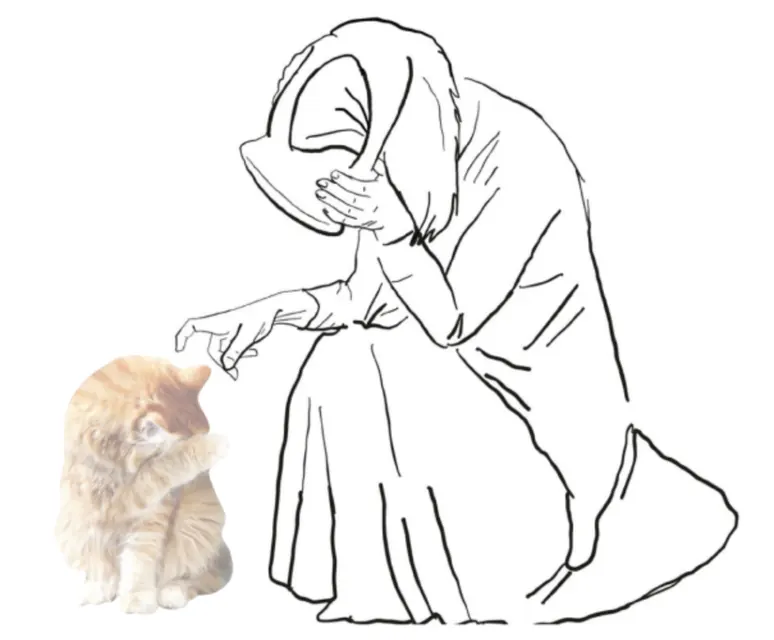
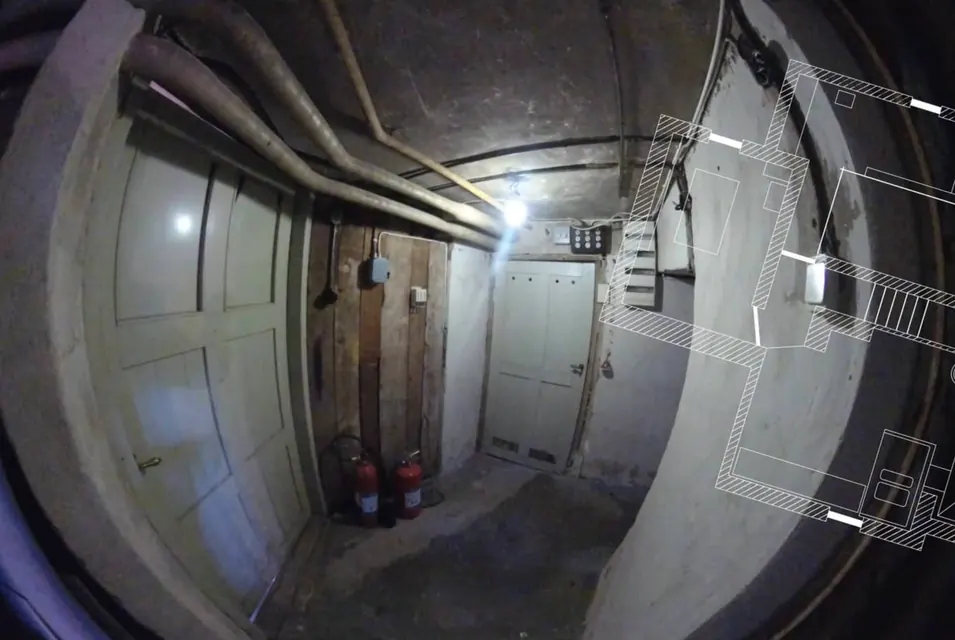
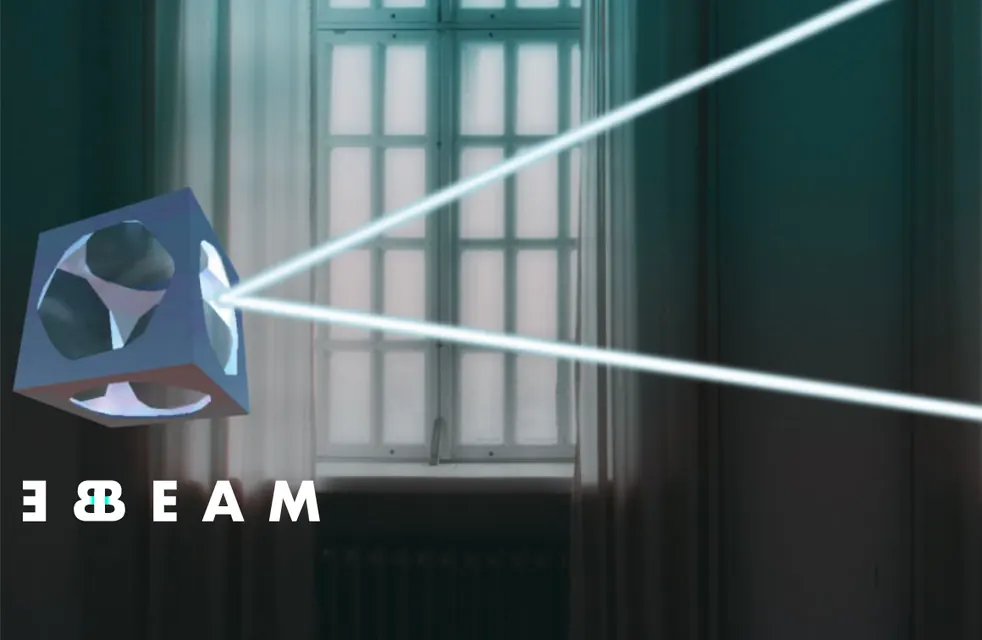
Virtual and augmented reality, from games built at KTH to research on speculative futures and designing with broken objects.
Everyday technology
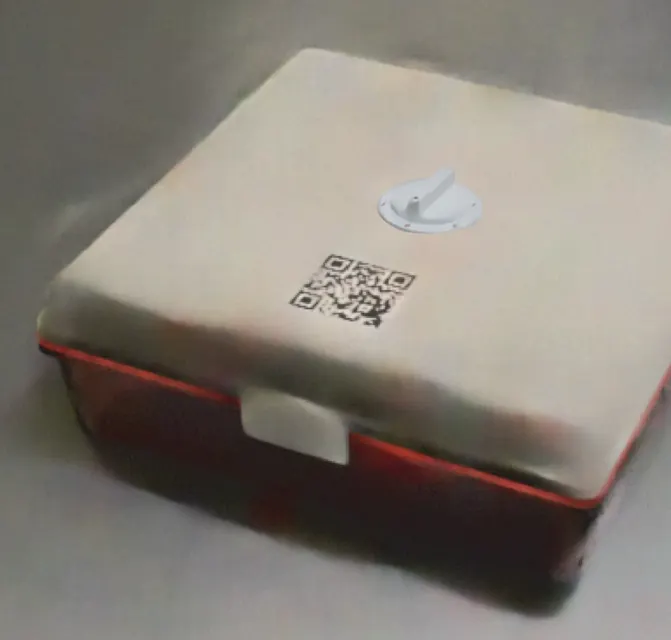
Research on technology in ordinary places: configurable fridges for food-sharing communities, and an app for studying phone use where it happens.
Netlight
2017 — 2019
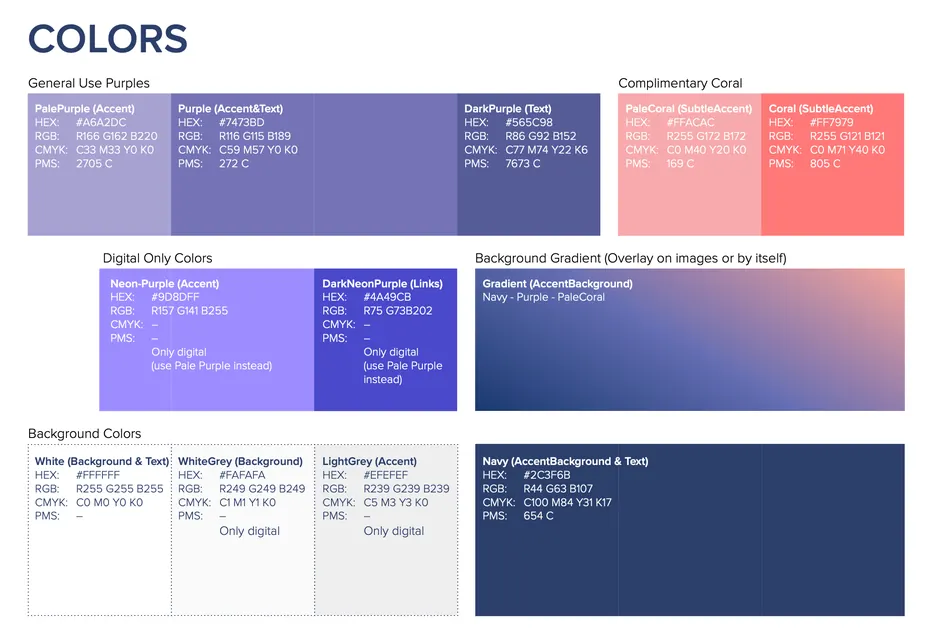
Designer at the in-house design studio of Netlight Consulting, an IT and management consultancy with over 1200 consultants across Europe: concept art and animation for annual conferences, large-format print, brand work and UX testing of digital services.





Photography
Photographs from travels and everyday life, and portraits for actors, bands and posters.


Personal
Before — now
Bigger and smaller projects alongside everything else: typefaces, games, generative code, maps and student media.