Kasper Karlgren Projects
Freelance
2025 — now

Sleep technologies
2019 — 2026
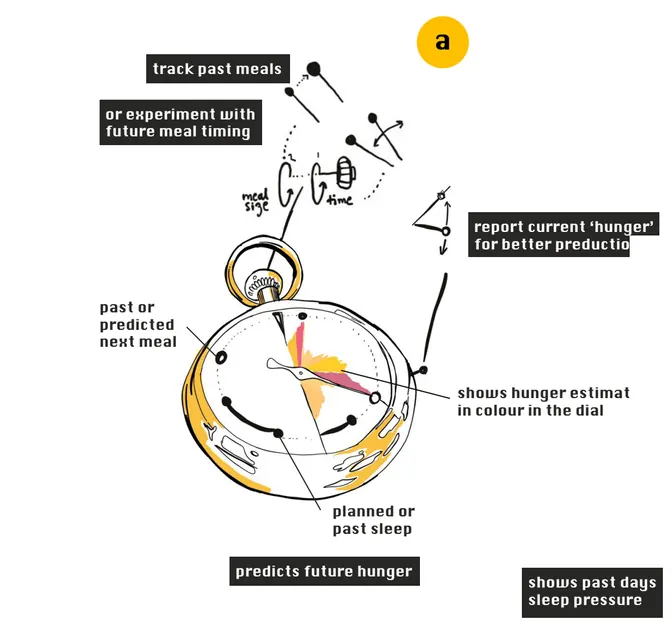
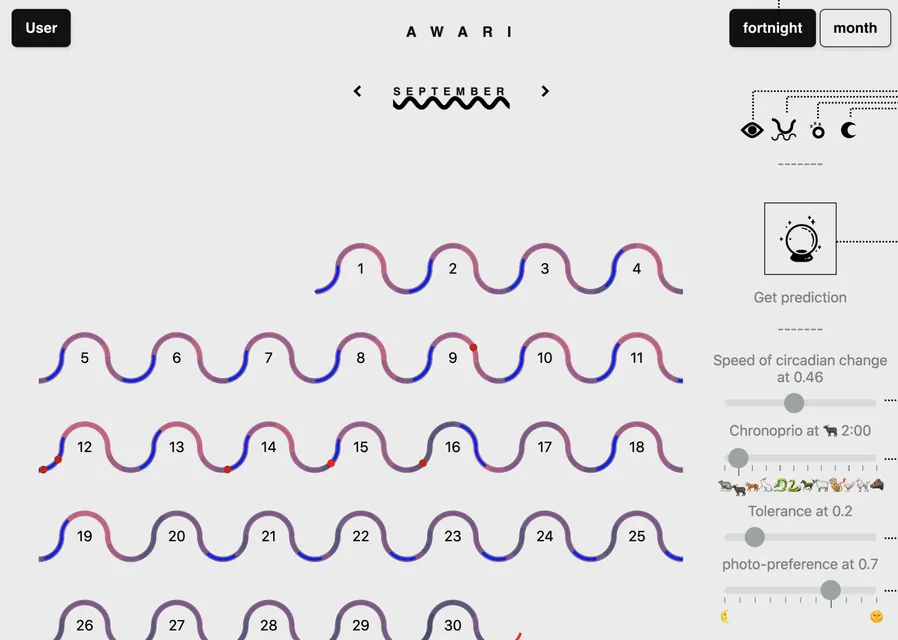
The core of my PhD at Stockholm University: how people track, plan and wake from sleep, explored through design work, a sleep-planning system and a study of alarms in everyday life.

Robot design & interaction
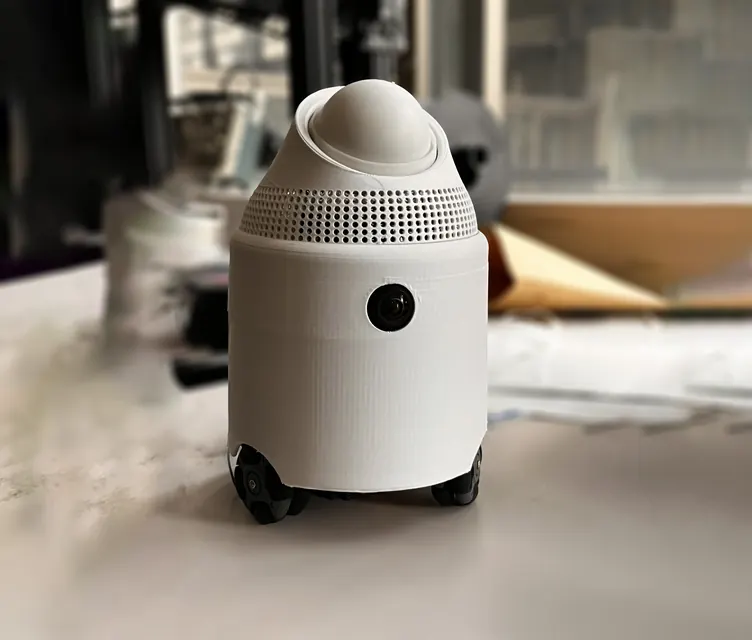
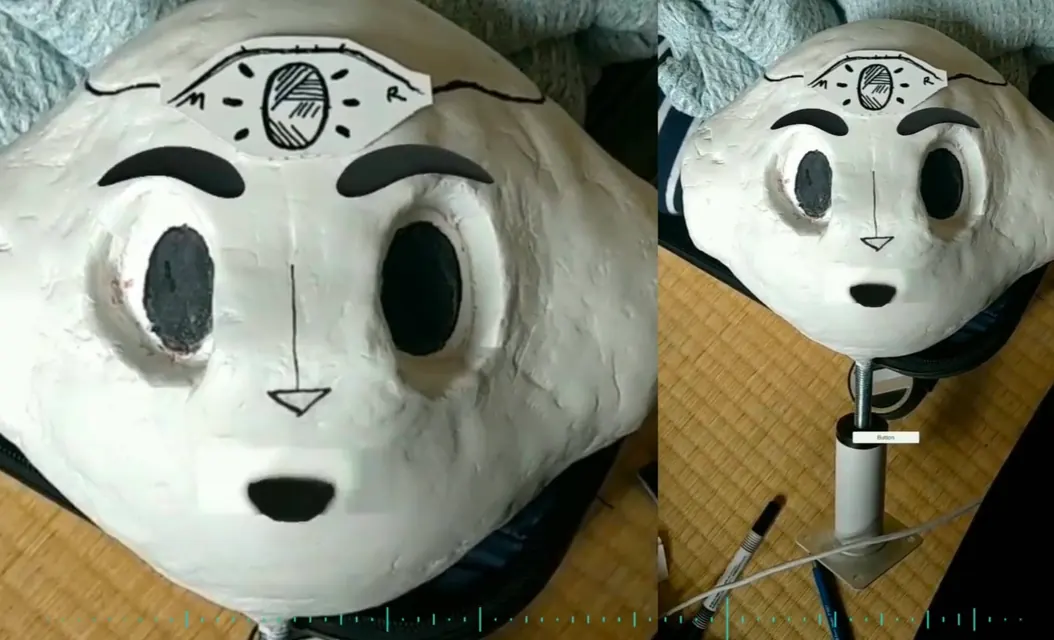
Robots as conversation partners, from augmented reality on a static robot in my Master's thesis to a mobile, gaze-based robot built with the University of Tokyo.
Extended reality
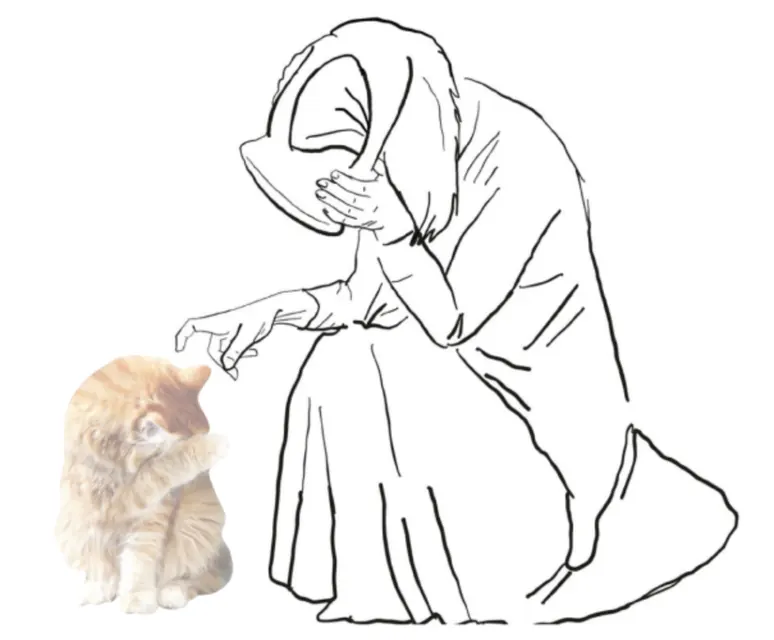
Virtual and augmented reality, from games built at KTH to research on speculative futures and designing with broken objects.
Everyday technology
Research on technology in ordinary places: configurable fridges for food-sharing communities, and an app for studying phone use where it happens.
Space Recorder
[×] CloseKeywords: Android development, Bluetooth beacons, Research instrument, Privacy by design
Space Recorder is a fully working Android app I built in 2020 to study how people use their phones in specific places, such as in bed before going to sleep. It records the phone's screen only while the phone is inside a location the participant has set up, marked by small Bluetooth beacons. Everywhere else, nothing is recorded. This captures the phone use that matters for a study, without asking participants to remember to press record, and without collecting the rest of their day.
How it works
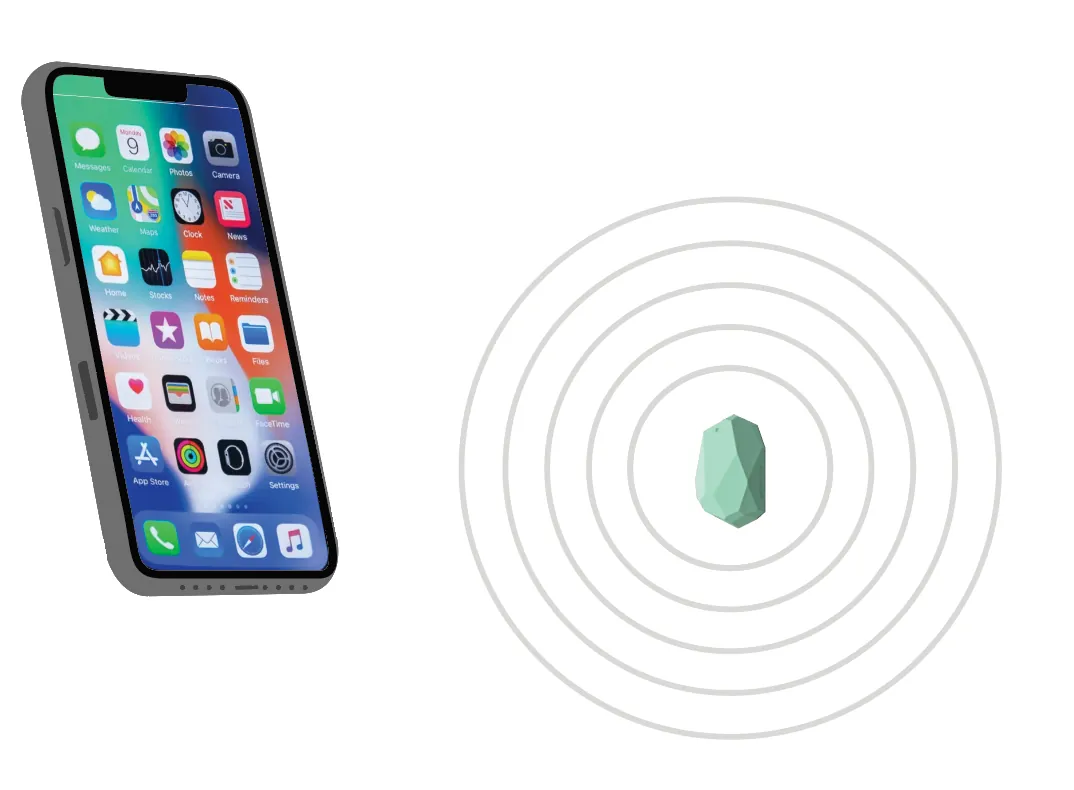
- Locations made of beacons. A location, such as a bedroom, a kitchen or a car, is one or more Bluetooth beacons. The participant picks the beacons from a list of nearby devices.
- Knowing when you are there. The app keeps scanning in the background and smooths each beacon's signal strength into a running average. When the signal passes a threshold set for that beacon, the phone counts as inside the location.
- Recording only what's relevant. Screen recording starts when the screen is on inside a location, and stops when the phone leaves or the screen turns off.
- Data back to the study. Each recording is saved with the location and a log of beacon proximity over time. After the participant has approved it, the app uploads the videos and logs to Stockholm University's servers.
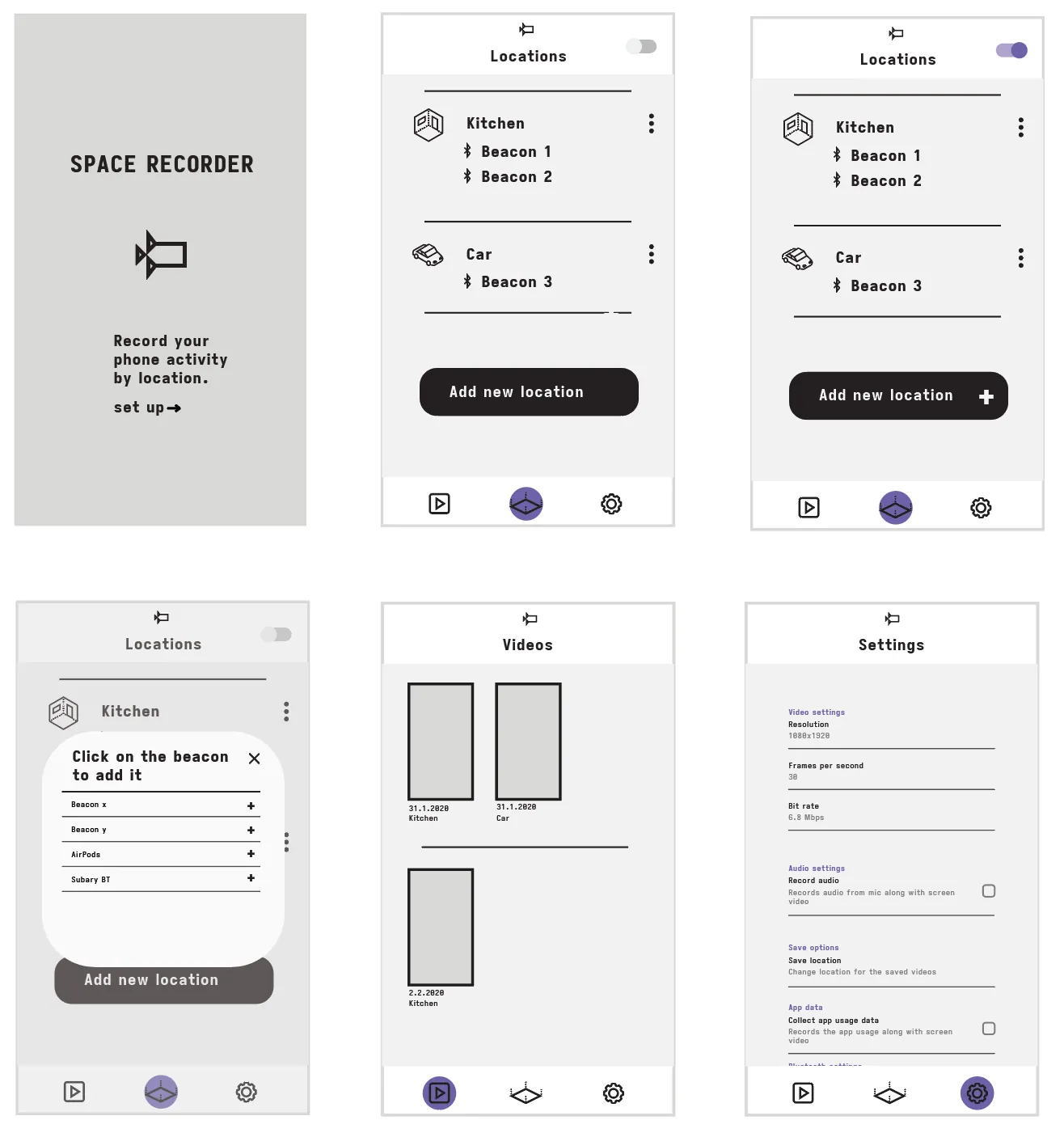
I designed the interface around this setup flow. The wireframes below show the start screen, the list of locations with an on/off switch for recording, adding a beacon to a location, recorded videos sorted by place and date, and settings for video quality, audio and app-usage data.
Built with: Java in Android Studio, the AltBeacon library for beacon scanning, and a foreground service so tracking keeps running in the background. I updated the app for Android 10's screen-capture permissions. It builds on the open-source Invivo recorder by Razan Jaber, which is based on the ScreenRecorder app by Vijai Chander. My work added the beacon tracking, locations and thresholds, proximity logging, the new interface and the upload changes: around 3,000 lines of code.
Netlight
2017 — 2019
Designer at the in-house design studio of Netlight Consulting, an IT and management consultancy with over 1200 consultants across Europe: concept art and animation for annual conferences, large-format print, brand work and UX testing of digital services.





Photography
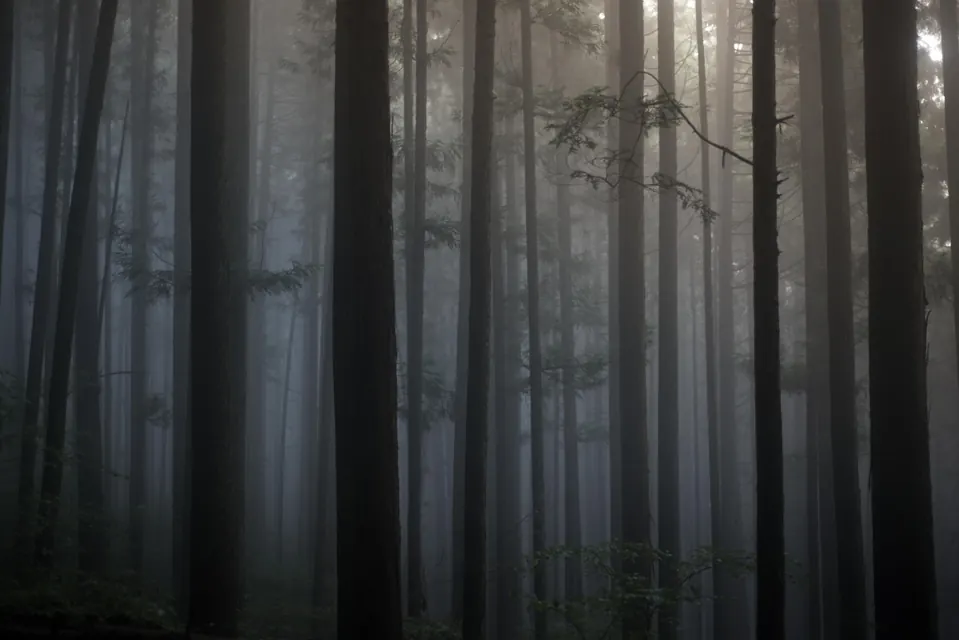
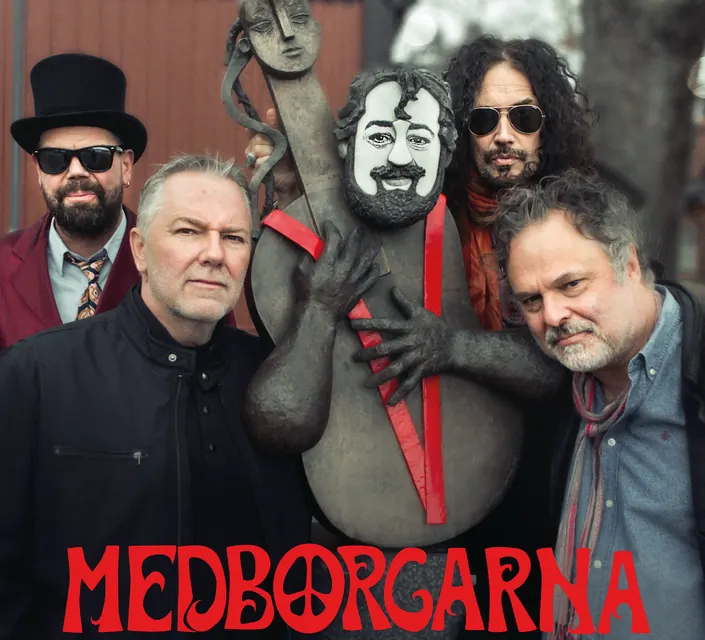
Photographs from travels and everyday life, and portraits for actors, bands and posters.
Personal
Before — now
Bigger and smaller projects alongside everything else: typefaces, games, generative code, maps and student media.